Categories
Uncategorized

Trending Culture Denim Tears Denim Tears Outfit

Denim Tears Sizing Guide: How to Get the Fit Right First Time

In premium streetwear, the majority of returns are sizing failures, not quality failures. The sequence is familiar: a buyer orders their usual size, the piece arrives two inches wider or shorter than expected, and a resale listing goes up the same week. Denim Tears cuts the bulk of its fleece and jersey in a relaxed, slightly boxy shape, which makes the letter on the collar far less informative than a tape measure. Everything here is built on measurements rather than descriptive words, because “true to size” means nothing until you know whose body it is true to. Treat every figure below as a typical reference range for heavyweight streetwear patterns and verify it against the specific release. Conventions shift year on year, which means a 2026 run can differ a little from something cut in 2021.

Take These Four Numbers First

You need your own measurements written down, in inches and centimetres, before any chart becomes useful. Measure over a thin t-shirt, with the tape snug but not compressing anything. Chest is measured around the fullest part, under the arms and across the shoulder blades, with the tape level all the way round. The waist figure comes from where trousers actually sit on you, usually lower than the anatomical waist and one to two inches larger. Inseam goes from the crotch seam to the floor, and is best measured off trousers you already like. Last, measure a favourite hoodie from the base of the collar to the hem, since that single number settles most arguments about cropped length.

  • Chest circumference, level and snug, in inches and centimetres
  • Waist at your natural trouser line, not at the navel
  • Inseam lifted from a pair of trousers that fits
  • Body length of a hoodie you already regard as correctly proportioned

Hoodie Measurements by denim tears jeans Size

Below are typical flat-lay measurements for a heavyweight hooded pullover cut in relaxed proportions. Flat-lay simply means the piece is laid flat and measured across, which makes a 25 inch pit-to-pit the same as a 50 inch chest circumference. That is the garment’s number, not your body’s, and the gap between the two is the ease that creates the drape. The sleeve figure spans shoulder seam to cuff edge; on drop-shoulder patterns it reads long because the seam sits below the actual shoulder point. Measure body length from the top of the collar seam to the bottom hem. Expect a tolerance of about half an inch, or 1.3 cm, since cut-and-sew production is never identical piece to piece.

Size Chest, pit to pit Length of body Sleeve, shoulder seam to cuff Intended for a body chest of
S 22 in / 56 cm 26.5 in / 67 cm 24 in / 61 cm 34-36 in / 86-91 cm
M 23.5 in / 60 cm 28 in / 71 cm 25 in / 63.5 cm 37-39 in / 94-99 cm
L 25 in / 63.5 cm 29 in / 74 cm 26 in / 66 cm 40-42 in / 102-107 cm
XL 26.5 in / 67 cm 30 in / 76 cm 27 in / 68.5 cm 43-46 in / 109-117 cm
XXL 28 in / 71 cm 31 in / 79 cm 28 in / 71 cm 47-50 in / 119-127 cm

How Much Ease Do You Actually Want?

Ease is the difference between your chest measurement and the garment’s chest circumference, and it decides how a piece reads on you. Total ease of roughly 6 to 8 inches lands on a modern regular fit that will still go under a jacket. Between 9 and 12 inches you get the relaxed streetwear silhouette the brand is known for, with the shoulder line falling down the upper arm. Beyond 14 inches the piece is deliberately oversized, which some wearers want and others find swamping. As a working rule, anyone under about 5 foot 8 should be careful past 10 inches of ease, because body length starts to overwhelm the proportions. Judge ease together with fabric weight, because 450 gsm fleece holds its shape and exaggerates volume far more than a 280 gsm sweatshirt does.

Where Jeans and the Levi’s 501 Pattern Meet

Built on the Levi’s 501 pattern, the best-known denim tears jeans shift the sizing conversation completely. A straight-leg, button-fly cut with a mid rise, the 501 is sized by waist and inseam in inches rather than S through XXL. The waist range is generally around 28 to 40 inches, with inseams typically offered at 30, 32 and 34. Rigid denim between 12 to 14 oz feels tight for the first several wears before relaxing by half an inch to a full inch at the waist as the fibres give. For that reason your true measured waist is normally the right choice, since sizing up for comfort usually leaves a waistband gaping within a fortnight. If you want a looser leg, keep the waist honest and have the hem adjusted instead.

Sweatpants, Shorts and the Search for Denim Tear Pants

Fleece bottoms are cut generously, and lettered sizing returns alongside a drawcord waist. Sweatpants normally have an elasticated waist spanning about three inches of range per size, which makes the waist rarely the deciding factor. What people get wrong is inseam, since a relaxed fleece pant often measures near 29 to 31 inches on a large and stacks heavily over a trainer under 5 foot 9. Rise matters too, since a higher rise in heavy fabric creates the puddled silhouette that suits some proportions and not others. The same logic applies to shorts, whose inseams commonly fall between 7 and 9 inches and land at or just above the knee. Anyone shopping what is often searched as denim tear pants should check inseam first and waist second.

Tees and Layering and When to Size Down

Graphic tees are cut with a wider body and a slightly shortened sleeve, which is a deliberate proportion rather than an error. Planning to layer a tee under a denim hoodie or a jacket? Size down one step to keep the silhouette clean and keep the hem from showing below the outer layer. On its own, most people stay with their usual size for a relaxed drape. Cotton jersey around 6 to 8 oz, roughly 200 to 270 gsm, holds shape better than lighter fabric but can lose length after hot washing. Give body length the same attention as chest, since a boxy tee two inches short looks completely different on a long torso. When a tee sits between two sizes, the smaller is generally safer.

Shrinkage, and How the Fit Moves in Year One

The measurements on day one are not the ones you end up living with. Where cotton fleece has not been pre-shrunk, expect one to three percent of length to go in the first hot washes, about a third of an inch on a 29 inch body. Knits move more in length than in width, so the typical failure is a shorter hoodie, not a tighter one. Washing cold at 30 degrees Celsius and drying flat or on low heat removes most of that risk and protects the cotton wreath print from cracking. Going the other direction, rigid denim relaxes at the waist and knee as you wear it, then recovers some of that in the wash. Size for where the garment settles after a month, not for how it feels in the first hour.

Three Fit Profiles and the Sizing Decision Behind Each

One measured body can take three different sizes depending on the look you are after, so decide on the target before you open a chart. Chest and height carry equal weight here: ease that seems deliberate at 6 foot 1 reads as borrowed at 5 foot 6. Layering plans matter too, so factor in whether a jacket has to close over the piece. Own a hoodie you love? Measure it and match the numbers instead of trusting the letter on the label. Put the target ease next to your chest measurement in writing, and the choice is made before stock is in front of you. The list below moves from the trimmest option through to the most voluminous.

  1. Clean and close, meaning your true size, roughly 6 to 8 inches of ease and no trouble layering.
  2. Relaxed standard, which is your true size in the brand’s own cut and sits near 9 to 12 inches of ease.
  3. Deliberately oversized: one size up for 14 inches or more, which works best above roughly 5 foot 10.

Four written measurements, one honest decision about silhouette and a half-inch tolerance accepted in advance are what it takes to get a denim tears hoodie right first time. Comparing listings under the single-word spelling denimtears changes nothing: measure the actual piece rather than trusting a size letter, above all on secondary-market items that may already have been washed. Request flat-lay figures from any seller before you pay, and read a refusal as an answer in itself.


Categories
Patrick Spins Casino

Finish the Game in One Click: What You’ll Get with Patrick Spins Casino on the UK App

When you launch the Patrick Spins app, the first thing you notice is a splash screen that loads in under 4 seconds. That speed is the promise of the whole experience: quick entry, instant play, and a 99 % uptime across the UK market.

Step 1: Grab Your Ticket – Patrick Spins Login

Open the app, tap the “Log in” button, and you’ll be asked for a username and password. If you’re new, the “Sign up” link will auto‑populate a 10‑point welcome bonus, but you can skip it and go straight to the deposit screen. The login form accepts two‑factor authentication via email or SMS, which is handy for anyone who keeps an eye on their account activity.

Step 2: Spin the Wheel – Games and Bonuses

From the main menu, the “Casino” tab lists 2,300+ slots, 150 table games, and 30 live‑dealer options. The library includes three branded slots from Pragmatic Play, one of which pays out a 5 % progressive jackpot every 12 hours. The bonus system is straightforward: a 200% match on the first £50 deposit, plus a 20‑free‑spin package on the slot “Golden Fortune.” Bonuses are released automatically after the deposit clears, which usually takes less than a minute on bank transfer.

Step 3: Play Smart – Managing Your Bankroll

The app shows a real‑time balance and a “Bet History” log. A quick glance at the last ten spins on “Starlight Riches” shows a 3:1 payout ratio, which is typical for medium‑variance slots. If you’re chasing a streak, the “Auto‑Spin” feature can lock in a bet of £1 for 100 spins, saving you the need to tap each time. Just remember: the auto‑spin stops automatically when the balance hits £0.

Step 4: Cash Out – Payouts and Withdrawals

When you’re ready to withdraw, the app offers three methods: bank transfer, PayPal, and a crypto wallet. Bank transfers clear in 1–2 business days, PayPal in 24 hours, and crypto in 10 minutes. The minimum withdrawal is £20, and there’s no fee for PayPal. The crypto option is a neat feature for UK players who want anonymity, though the app only supports Ethereum and Bitcoin.

Common Mistake: Ignoring the 30‑Day Tumble‑Free Offer

Many users overlook the “30‑day tumble‑free” promotion that resets after a month of inactivity. If you’re not playing regularly, the app will flag your account as dormant and lock you out of the free spins pool. Re‑activating your account requires a £5 deposit, which is a hidden cost some players miss.

Patrick spins casino login - Finish the Game in One Click: What You’ll Get with Patrick Spins Casino on

Pros and Cons – The Bottom Line

  • Pros: Fast login, 2,300+ games, instant bonus release, crypto withdrawals.
  • Cons: No multi‑currency support, limited customer service hours (9 am–5 pm UK time), and the tumble‑free rule can feel punitive.

Closing Thought – Is It Worth Your Time?

If you’re a UK player looking for a reliable app that gets you playing fast and lets you cash out quickly, Patrick Spins delivers. The only real drawback is the tumble‑free clause that can surprise those who pause their play. Overall, the platform feels solid, with a user interface that’s clean and a support team that responds within a few hours during business hours.

Want to try it for yourself? Patrick Spins offers a demo mode that lets you explore the game selection before committing real money.

Categories
Uncategorized

DramaBox App FAQ Binge It Free Now

Three Kinds of Answer to Eight Queries

Spelling is the one thing app store search will not bend on, while everything else it treats loosely, and that is a real problem in a genre whose apps are all named after the same three words. Half the names in vertical drama come down to a compound of short, reel, drama and TV, so one dramaboxmovies.net slipped letter puts you somewhere else entirely. Where industry writing calls the format microdrama, the stores mostly file it under short drama, and generic two-word queries go so far astray as a result. The searches that follow divide into three groups. Some return a real app that is not the one you meant, some find nothing at all because the name was never real, and one returns a crowd. Each of them takes about thirty seconds to fix.

Searches That Turn Up a Real, Unrelated App

The group that confuses people most is this one, because the search looks like a success. There appears something with roughly the right name, with a store page, an install count and screenshots. Nothing in the listing signals that you have landed in the wrong place. The developer field is the only reliable tell, and hardly anybody reads it, though it cannot be copied casually. Install counts are useful as well, because the leaders in this category sit in the tens or hundreds of millions. Three queries fall into this group regularly, and each has a real, existing app at the end.

“reelbox tv” and “reel box”

These two queries are why this article exists. A real Android app from CAIHONG TECH LIMITED in Hong Kong, ReelBox shows more than 50,000 recorded installs on its listing. Respectable for a small independent release, that figure is a rounding error at best next to the category leaders. It is not connected to ReelShort, and it is not connected to DramaBox either, whatever the name suggests. The listing carries a small comic twist as well, because the app’s own description calls itself Real Box. So a search built on a half-remembered brand reaches an app that partly misremembers itself, when the target was ReelShort.

“daily short”

DailyShort genuinely exists and is genuinely what some people want, so this query behaves differently. The app comes from Imagemap Exploration, with more than 100,000 installs on Android on its listing. On iOS the story is more revealing, with only about 31 ratings in total on the App Store page. A count that small means few people have used it long enough to form an opinion, which is worth knowing before you subscribe. As two words the phrase is also a generic description of any app that serves one short episode a day. If you saw the name somewhere specific it is probably the real DailyShort; if you invented it, you were describing the category.

“goldshort”

Here the search engine is technically correct and practically unhelpful. The search returns exactly one match, an Android TV app called GoldShort TV from GOLDBRID LLC. With more than 10,000 installs, it was last updated in September 2025, one of the smallest names in the genre. Nothing is wrong with the app, although the chances that a given searcher meant it are very low. In all likelihood the query is a mistyping of GoodShort, an app with tens of millions of installs. Gold and good differ by one letter, and it is not a letter anyone looks at twice.

Queries That Find Nothing At All

The second group resolves more easily, although it frustrates people more in the moment. Never attached to any app, these names are what a real brand sounds like rather than how it is actually spelled. A search returns unrelated results or a scatter of loose, partial matches, and the natural conclusion is that the app was pulled. It was not, though. It never had that name, and hearing it out loud has quietly rewritten the spelling in memory. Three of them come up constantly, each with a single right answer hiding behind it.

“realshort” and “real short”

There is no app called Real Short, in either spacing of the words. What was meant is ReelShort, one word, from Crazy Maple Studio in Sunnyvale, California. The mix-up is entirely understandable, since reel and real are homophones in most American accents anyway. A listener who heard the name recommended rather than read it has no way to know which spelling is correct. The spelling alone is the fix, since everything else about the search is already right. It is worth getting right, because misspelled searches are exactly where copycat pages like to position themselves.

“dreamwave” and “dream wave”

This one is a straightforward substitution of one familiar word for another. Because no app named DreamWave turned up in store searches, the query has nothing legitimate to reach. What is meant is DramaWave, published by Skywork AI Pte. Ltd. and launched in September 2024. Drama and dream share three letters and a rhythm, and dream is the far more common English word, so memory and autocorrect push the same way. Should a result come back calling itself DreamWave, check the listing for Skywork AI before you believe it.

“good shot”

Pure autocorrect accounts for the last of the phantom searches. Nothing in this genre is called Good Shot, and a phone that has never met the word GoodShort will cheerfully supply one it knows. What was wanted is GoodShort, whose App Store seller is Singapore New Reading Technology Pte. Ltd. and whose Google Play developer name is listed as GoodNovel. Its listing on Google Play shows upwards of 50 million installs, putting it in the upper tier of the genre. The two-word version of the query mostly returns results about photography and sports, which is a reasonable sign that you have wandered off.

The Search That Finds Too Much

The last category is the opposite problem. Instead of one wrong result or none, you get a queue of apps carrying nearly identical names, all real, all from different companies. Nothing in that is illegal, as a generic pairing of everyday words is hard to protect in store search. As a result the developer field stops being a detail and becomes the whole identification method. The crowd thins quickly on install counts, since the established app of the pair sits far above the rest. The pile-up comes from one query every time.

“short max”

Typed as two words, this reaches ShortMax, which is what the majority of searchers want. The complication is a group of unrelated look-alikes trading under the ShortTV name, which shares a family resemblance and often a results page with them. Published by HUNG LAM INVESTMENT AND CONSTRUCTION JSC, ShortTV: Watch Drama Shorts shows more than one million Android installs, enough to look convincing. Short TV – Drama & Shorts comes from BullFX, and on iOS there is a separate app called Shortv from Instant Shadow Limited. No connection to ShortMax exists for any of those three. Read the developer line before tapping install, because the icons and titles will not tell them apart for you.

Typed, Found, Wanted

The table gathers every query in this article into one view. The left column is what people actually key into a store or a search bar. What genuinely exists under that name is recorded in the middle column, based on store listings checked in 2026. What they were almost certainly after appears in the right column. Install counts appear where they help, and where the middle column says nothing exists, that is a finding rather than a gap in the research.

What gets typed What is really there What they probably meant
“reelbox tv”, “reel box” ReelBox, published by CAIHONG TECH LIMITED, Hong Kong, 50K+ installs, unrelated ReelShort
“daily short” DailyShort by Imagemap Exploration, 100K+ installs, about 31 iOS ratings DailyShort itself, or any short drama app
“goldshort” GoldShort TV from GOLDBRID LLC, Android TV, 10K+ installs, updated September 2025 GoodShort
“real short”, “realshort” Nothing at all under that name ReelShort
“dream wave”, “dreamwave” No app under that name DramaWave
“good shot” Nothing in this genre, mostly unrelated results GoodShort
“short max” ShortMax, plus unrelated ShortTV-named apps from HUNG LAM, BullFX and Instant Shadow Limited ShortMax

The Thirty-Second Check That Puts an End to This

Each mix-up above survives only until someone reads the two lines on a store page. First is the developer or seller field, and it is the one part that is required to be accurate. The install count is the second, and it separates a hundred-million-install brand from a namesake with ten thousand. Read together, those two lines resolve all eight queries here without a scrap of further research. None of this says the small apps are bad, as a modest install count means a modest audience, not a problem. The real cost of a wrong search is paying for a subscription you never set out to find.

Categories
Uncategorized

Digital patterns for https://labcasinos-ca.ca and hidden gaming paths

🔥 Play ▶️

Digital patterns for https://labcasinos-ca.ca and hidden gaming paths

https://labcasinos-ca.ca. In the dynamic landscape of online entertainment, understanding digital patterns and identifying hidden pathways is crucial for success. The realm of online casinos, in particular, thrives on strategic approaches to engagement, marketing, and player experience. This exploration delves into the intricacies of these patterns, focusing on how platforms like navigate this complex digital environment. We'll examine the techniques used to attract and retain players, the strategies employed for optimal online visibility, and the underlying principles that govern successful operation in this highly competitive industry.

The modern online casino isn’t simply a digital replica of its brick-and-mortar counterpart. It’s a sophisticated ecosystem built on data analysis, psychological understanding, and technological innovation. Success depends on a thorough grasp of how people interact with online content, how search engines prioritize information, and how to build trust in a digital world. This article will shed light on the often-unseen factors that contribute to the success, or failure, of online gaming platforms, offering insights into the methodologies employed to create compelling online experiences and achieve sustainable growth. Understanding these dynamics is essential for both industry professionals and those interested in the evolving world of digital entertainment.

Understanding Player Behavior and Digital Footprints

Analyzing player behavior is paramount to success in the online casino industry. It's not enough to simply offer games; platforms must understand how players engage with those games, when they play, and what motivates their choices. This data-driven approach allows for personalized promotions, customized user interfaces, and a more engaging overall experience. Modern casinos utilize sophisticated analytics tools to track everything from the games most frequently played to the average bet size, and even the time spent on specific pages. This information is then used to refine marketing campaigns, optimize game offerings, and improve customer retention rates. The ultimate goal is to create a seamless and enjoyable experience that keeps players coming back for more.

The Role of Data in Personalization

The ability to personalize the gaming experience is a key differentiator in the crowded online casino market. Data analytics allows platforms to segment their audience based on various factors, such as playing preferences, spending habits, and demographic information. This segmentation enables targeted marketing efforts, ensuring that players receive offers and recommendations tailored to their individual needs and interests. For instance, a player who consistently plays slot games might receive bonuses specifically for new slot releases, while a table game enthusiast might be offered promotions related to blackjack or roulette. This level of personalization not only enhances the player experience but also increases the likelihood of continued engagement and ultimately, player lifetime value. Furthermore, real-time data analysis allows casinos to adjust their offerings dynamically, responding to changing player behavior and market trends.

The insights gleaned from data don't just help with marketing; they also inform game development and platform design. By understanding which features players enjoy and which cause frustration, casinos can continuously improve their offerings and ensure a user-friendly experience. This iterative process of analysis, refinement, and implementation is essential for staying ahead of the curve in the rapidly evolving online gaming industry.

Search Engine Optimization Strategies for Online Casinos

Organic search remains a significant source of traffic for online casinos. However, the competitive nature of the industry, coupled with strict advertising regulations, makes SEO a challenging endeavor. Effective SEO requires a comprehensive strategy that encompasses keyword research, on-page optimization, off-page optimization, and technical SEO. Identifying relevant keywords that players are actively searching for – such as "online slots," "blackjack online," or "best casino bonuses" – is the first step. The content must then be optimized around these keywords, ensuring they are naturally integrated into page titles, headings, meta descriptions, and body text. Focusing on long-tail keywords, which are more specific and less competitive, can also be a valuable tactic.

Building Authority Through Content Marketing

Content marketing plays a vital role in establishing an online casino's authority and attracting organic traffic. Creating high-quality, informative, and engaging content that caters to the interests of potential players is crucial. This can include articles on game strategies, casino news, responsible gambling practices, and guides to understanding casino bonuses. A well-maintained blog, coupled with a robust social media presence, can help to establish the casino as a trusted source of information and attract a loyal following. The content should be optimized for both search engines and human readers, focusing on readability and providing genuine value to the audience. Regularly updating the content calendar with fresh, relevant material is also essential for maintaining search engine rankings and keeping players engaged.

  • Keyword Research: Targeting relevant phrases players use.
  • On-Page Optimization: Implementing keywords into website content.
  • Link Building: Acquiring backlinks from authoritative sources.
  • Technical SEO: Ensuring site speed and mobile-friendliness.

Beyond simply attracting traffic, content marketing can also be used to nurture leads and convert them into paying customers. By providing valuable information and building trust, casinos can position themselves as the preferred choice for online gaming entertainment.

The Impact of Mobile Gaming and App Development

Mobile gaming has become the dominant force in the online casino industry. The vast majority of players now access their favorite games via smartphones and tablets, making mobile optimization a non-negotiable requirement for success. This extends beyond simply having a responsive website; many casinos now offer dedicated mobile apps for both iOS and Android devices. Apps provide a superior user experience, offering faster loading times, push notifications for promotions, and access to features not available on the mobile website. Developing a user-friendly and visually appealing mobile app is therefore a key investment for any online casino seeking to capture a significant share of the market.

Optimizing for Different Mobile Platforms

Developing a successful mobile gaming app requires careful consideration of the different platforms and devices. iOS and Android have distinct development environments and user interface guidelines. Ensuring compatibility across a wide range of devices, screen sizes, and operating system versions is crucial for reaching the broadest possible audience. Furthermore, optimizing the app for mobile data usage and battery life is essential for providing a seamless and enjoyable gaming experience. Regular updates and bug fixes are also necessary to maintain app performance and address user feedback. The app store optimization (ASO) process, similar to SEO for websites, is equally important for improving app visibility and driving downloads. ASO involves optimizing the app's title, description, keywords, and screenshots to attract potential users in the app stores.

  1. Responsive Website Design: Adapting to various screen sizes.
  2. Dedicated Mobile Apps: Offering enhanced user experience.
  3. Cross-Platform Compatibility: Ensuring functionality across devices.
  4. App Store Optimization: Improving app visibility in app stores.

The investment in mobile gaming isn’t just a technical one; it represents a shift in understanding how players consume online entertainment. Convenience and accessibility are paramount, and those platforms that prioritize the mobile experience will be best positioned to thrive in the years to come.

Regulatory Compliance and Responsible Gambling

The online casino industry is subject to stringent regulations designed to protect players and ensure fair play. Obtaining the necessary licenses and adhering to these regulations is a complex and ongoing process. Different jurisdictions have different requirements, and casinos must navigate these complexities to operate legally and ethically. Compliance involves everything from verifying player identities and preventing money laundering to ensuring the integrity of the games and providing a safe gaming environment. Failure to comply with regulations can result in hefty fines, license revocation, and damage to the casino’s reputation. The importance of robust Know Your Customer (KYC) procedures, anti-money laundering (AML) protocols, and responsible gambling initiatives cannot be overstated.

Jurisdiction Regulatory Body
Malta Malta Gaming Authority (MGA)
United Kingdom Gambling Commission
Curacao Curacao eGaming

Responsible gambling is an integral part of regulatory compliance and ethical operation. Casinos have a responsibility to protect vulnerable players and prevent problem gambling. This includes providing tools and resources to help players manage their gambling habits, such as deposit limits, self-exclusion options, and access to support organizations. Promoting responsible gambling is not only ethically sound but also good for business, as it demonstrates a commitment to player welfare and builds trust.

Emerging Technologies and Future Trends

The online casino industry is constantly evolving, driven by technological advancements and changing player expectations. Several emerging technologies are poised to reshape the landscape of online gaming in the coming years. Virtual Reality (VR) and Augmented Reality (AR) offer the potential to create immersive and realistic gaming experiences, blurring the lines between the physical and digital worlds. Blockchain technology, with its emphasis on security and transparency, is being explored for a variety of applications, including provably fair gaming and secure payment processing. Artificial Intelligence (AI) and machine learning are being used to personalize the gaming experience, detect fraud, and optimize marketing campaigns.

Furthermore, the rise of social casinos and the integration of live streaming are creating new opportunities for engagement and interaction. Social casinos allow players to enjoy casino-style games without wagering real money, offering a risk-free alternative for entertainment. Live streaming platforms allow players to watch and interact with professional gamblers, adding a social dimension to the online gaming experience. The ongoing development of these technologies promises to create more immersive, engaging, and secure online gaming environments for players.

The Long-Term View: Building Sustainable Gaming Ecosystems

The future of online casinos won’t solely depend on flashy new technologies but on the capacity to create sustainable ecosystems. This means shifting focus from solely acquiring players to cultivating long-term relationships built on trust, fairness, and responsible gaming. Platforms like that prioritize player well-being and transparency are likely to see greater success in the long run. This involves investing in robust security measures, implementing ethical marketing practices, and actively promoting responsible gambling initiatives.

Crucially, the industry needs to move beyond a purely transactional approach and recognize the importance of building a community around shared interests. This could involve creating engaging content, hosting online tournaments, or fostering social interaction within the gaming platform. By focusing on building a loyal and engaged player base, online casinos can create a more resilient and sustainable business model – a model where success isn't measured solely by short-term profits, but by the long-term value created for both the player and the operator.

Categories
Uncategorized

Strategic analysis revealing trends around lab casino and potential winning strategies

🔥 Play ▶️

Strategic analysis revealing trends around lab casino and potential winning strategies

The world of online gaming is constantly evolving, with new platforms and experiences emerging to capture the attention of players. Among these, the concept of a “lab casino” has begun to generate considerable interest. This isn’t a traditional brick-and-mortar establishment, but rather a digital space focused on experimentation, data-driven optimization, and a highly analytical approach to game design and player engagement. It represents a shift from relying on intuition and guesswork to employing rigorous testing and analysis to create the most compelling and profitable gaming experiences possible. The core idea revolves around treating casino games not just as entertainment, but as complex systems that can be understood, refined, and ultimately, mastered.

This approach isn’t limited to game developers, however. Savvy players are also beginning to adopt similar methodologies, seeking to understand the underlying mechanics of games and identify strategies that can improve their odds of success. This fusion of scientific principles and casino gaming creates a unique dynamic, one that demands a deeper understanding of probability, statistics, and player psychology. The potential rewards are significant, both for those creating the games and those participating in them. A critical assessment of the workings of a lab casino is, therefore, vital for anyone involved in modern gaming.

Understanding the Core Principles of a Lab Casino

At its heart, a lab casino operates on the principles of A/B testing, data analytics, and iterative design. Unlike traditional casinos that might rely on gut feelings or established industry practices, a lab casino meticulously tracks player behavior, game performance, and a wide range of other metrics. This data is then used to refine game mechanics, optimize user interfaces, and personalize the gaming experience. The goal is to create games that are not only entertaining but also highly engaging and, from the operator’s perspective, profitable. This involves continuous monitoring and adjustment, a never-ending cycle of analysis and improvement. It's a testing ground for maximizing player interest and retention.

The Role of Data Analytics

The power of a lab casino lies in its ability to collect and analyze vast amounts of data. This data can include everything from the frequency of spins on a slot machine to the specific choices players make in a poker game. Advanced analytics tools are used to identify patterns and trends that would be impossible to detect through traditional methods. For example, data analysis might reveal that players are more likely to make a particular bet when exposed to a certain visual cue or that a specific game feature is causing players to abandon the game prematurely. These insights are then used to make targeted changes to improve the gaming experience. Sophisticated algorithms power the analysis, offering insights beyond simple observation.

Metric Description Importance
Player Retention Rate Percentage of players returning to the platform after initial registration. High
Average Session Duration Average amount of time players spend on the platform per session. Medium
Game Win Rate Percentage of bets returned to players as winnings. High
Cost Per Acquisition (CPA) Cost of acquiring a new player. Medium

The table above illustrates just a few examples of metrics that are commonly tracked in a lab casino environment. Analyzing these numbers allows operators to focus their efforts on optimizing the areas with the biggest impact on profitability and player satisfaction. The insights gleaned from such data proves invaluable.

Game Design and Optimization Techniques

The lab casino approach significantly impacts game design. Instead of creating games based purely on creative vision, designers focus on building games that are specifically optimized for engagement and monetization. This involves carefully considering factors such as game volatility, payout structures, and the use of psychological principles to influence player behavior. It is a meticulous process, driven by data and constantly refined through testing. The end goal is not simply to create a fun game, but to create a game that effectively captures and retains players’ attention and encourages them to spend money.

Psychological Triggers and Player Engagement

A key aspect of game design within a lab casino is the understanding and application of psychological triggers. These are elements of the game that tap into innate human motivations and preferences. For example, the use of near-misses in slot machines – where a player almost wins – can be highly effective in keeping them engaged. Similarly, variable reward schedules, where payouts are unpredictable, can create a sense of anticipation and excitement. Framing effects, where the way information is presented influences player choices, are also frequently employed. These tactics, when implemented ethically and responsibly, can enhance player enjoyment and contribute to the overall success of the game. These principles help shape a cycle of engagement.

  • Variable Ratio Schedules: Deliver rewards after an unpredictable number of responses.
  • Near Miss Effect: Creates a sense of almost winning, encouraging continued play.
  • Loss Framing: Presenting potential losses as opportunities to avoid gains.
  • Social Proof: Highlighting the popularity of the game to encourage participation.

These are just a few examples of the psychological principles utilized. Careful consideration of these factors is critical for effective game design within a "lab" setting.

The Impact of Technology on Lab Casino Operations

The rise of the lab casino wouldn’t be possible without advancements in technology. Sophisticated data analytics platforms, cloud computing, and machine learning algorithms are all essential tools for collecting, processing, and analyzing the vast amounts of data generated by online casinos. These technologies enable operators to personalize the gaming experience for each player, optimize game performance in real-time, and detect and prevent fraudulent activity. The integration of artificial intelligence (AI) is also playing an increasingly important role, with AI-powered tools being used to predict player behavior and personalize bonus offers. The continuous improvement supported by these technologies is vital.

Machine Learning and Predictive Analytics

Machine learning algorithms are particularly valuable in a lab casino environment. These algorithms can learn from past data to predict future outcomes, such as which players are most likely to churn or which games are most likely to be popular. This information can then be used to proactively address potential problems and capitalize on emerging opportunities. For example, a machine learning algorithm might identify a player who is showing signs of disengagement and automatically trigger a personalized bonus offer to incentivize them to continue playing. Predictive analytics allows for dynamic adjustments.

Responsible Gaming and Ethical Considerations

While the lab casino approach offers significant benefits, it also raises important ethical considerations. The use of psychological triggers and personalized marketing techniques can be manipulative if not implemented responsibly. It is crucial that operators prioritize responsible gaming and ensure that their games are fair, transparent, and not designed to exploit vulnerable players. This includes providing players with the tools and resources they need to manage their gambling, such as deposit limits, self-exclusion options, and access to support services. Transparency and ethical practices are paramount for long-term sustainability. Ignoring these aspects can lead to reputational damage and regulatory scrutiny.

Future Trends in the Lab Casino Landscape

The lab casino model is likely to continue evolving in the years to come, driven by ongoing advancements in technology and a growing understanding of player behavior. We can expect to see even more sophisticated data analytics tools, greater personalization of the gaming experience, and the integration of new technologies such as virtual reality (VR) and augmented reality (AR). The metaverse, for example, presents new opportunities for creating immersive and engaging gaming environments. Furthermore, blockchain technology could be used to enhance transparency and security in online casinos. The concept of a lab casino is not static; it's a dynamic process of innovation.

Looking ahead, the emphasis will be on creating not just profitable games, but experiences that are genuinely enjoyable and rewarding for players, while simultaneously upholding the highest standards of ethical conduct. This means striking a balance between data-driven optimization and a commitment to responsible gaming, ensuring that the future of online casinos is both lucrative and sustainable. The next step is integrating these new technologies thoughtfully.

  1. Data Collection & Analysis: Continuous gathering of player data and using analytical tools.
  2. A/B Testing of Game Mechanics: Experimenting with different game features and designs.
  3. Personalized Player Experiences: Tailoring games and bonuses to individual player preferences.
  4. Real-Time Optimization: Making adjustments to game performance based on data feedback.
  5. Ethical Considerations & Responsible Gaming: Implementing safeguards to protect vulnerable players.
Categories
Uncategorized

Prestige T Shirt Style Guide Quality and Value

Current Style Movements and the Way Prestige Connects

Style culture by 2026 gives the edge to brands that pivot with speed without diluting their character, and that is exactly where Prestige has staked out its place.
Finding equilibrium between street-style sensibility and refined basics is more difficult than most companies let on, yet Prestige sits right at that intersection.
Less throwaway product and more items designed around longevity, layering, and repeat wear are what shoppers now notice when exploring a Prestige storefront.
This evolution did not happen all at once.
Throughout the market, customers ask “what is Prestige”—not from confusion but out of real interest—about how a mid-tier label built a loyal following without celebrity endorsements or seasonal gimmicks.
What explains it is steadiness across silhouettes, textile decisions, and a reluctance to follow each fleeting trend that pops up online.

Why this heading carries weight for prestige 2027 planning cycles comes down to the fact that the brand has already signaled the path it means to follow: fewer seasonal drops, tighter editing, and more weight placed on garments that outlast one season. That approach mirrors what analysts have been saying about the fashion sector broadly for the past two years — that overproduction is losing to intentional design. Compared with most of its competitors, prestige seems to have internalized that lesson earlier.

Situating Prestige Clothing Among Today’s Trends

Trend turnover in the fashion world have shrunk at a dramatic rate. What used to take four seasons to move from runway to retail now is compressed into prestige-clothing.org/t-shirts weeks, driven by social media acceleration. In answer to this, Prestige clothing has chosen to stay near trends instead of pursuing them head-on. Oversized fits, muted tonal palettes, and utilitarian detailing dominate the 2026 landscape, and Prestige weaves all three in without forsaking the more streamlined silhouette that first shaped the label. It’s a meaningful distinction, since brands overcorrecting toward chasing trends tend to lose the loyal customers who originally valued their dependability.

In this context, the hoodie lineup from Prestige provides a useful case study. This garment has been a closet essential for a decade-plus, but the last couple of years have seen a split in the market: bulky, oversized silhouettes on one side, and trimmer, tech-forward textiles on the other. Rather than committing to just one direction, Prestige has released versions that speak to both camps — atypical for a brand of its size. Such versatility is part of why the lineup continues to expand into adjacent categories like outerwear and knitwear without coming across as fragmented.

There is also a growing expectation among consumers that clothing should function across situations — work-friendly, everyday, and athleisure — without requiring a full wardrobe change. Prestige clothes lean into this multi-use expectation, which clarifies why the brand has found favor among buyers who are paring down their closets rather than adding to them. This streamlining shift is one of the clearer movements in fashion retail data over the last eighteen months, with several market reports noting a drop in spur-of-the-moment buying and growth in considered, cross-functional buying.

Customer Voices on the Brand: A Practical Prestige Review

Every fair assessment of Prestige has to factor in both how true the fit runs and textile performance across wear, since these considerations determine whether a buyer becomes a repeat customer. Feedback patterns across retail platforms suggest that Prestige delivers strongly on true-to-size accuracy, which is not a small thing in an industry where fit standards shift widely between brands. Shoppers frequently mention that a medium in one Prestige style tends to line up with a medium in another, cutting down the second-guessing that often is tied to online shopping.

Comments about wear-resistance follow the same pattern. Laundering trials reveal little fuzzing on the thicker cotton garments after several launderings, and seams remain intact on structured items like jackets and structured trousers. That said, no brand is free of compromises. Certain feedback highlights that lighter jersey pieces show wear faster than the heavier line, which is a legitimate critique and one that future customers should factor in depending on how they plan to wear the garment. Such detailed, balanced commentary is actually a good sign — it suggests feedback isn’t fabricated or excessively favorable, which reinforces confidence in the brand’s overall reputation.

Return rates, when they are reported by retailers stocking the brand, tend to come in under category averages for casualwear, chiefly thanks to that sizing consistency. Shoppers gain indirectly from lower returns as well, since brands with high return rates often factor into pricing that cost elsewhere. A brand that keeps returns manageable can reinvest in fabric quality instead of bearing the cost of reverse logistics, which is a detail few shoppers ever consider but pays off for them all the same.

Inside the Prestige Store Experience

How a Prestige storefront is structured — whether physical or digital — says a lot about how the brand views its customer. Navigation across the online storefront is divided along category lines rather than by trend or season, which seems like a small detail but actually eases the difficulty shoppers feel when they have a clear need but lack the right terminology. The route from searching to buying is consequently quicker, and each product page includes textile details and washing instructions rather than non-specific sales text.

Restocking patterns are another point worth noting. Popular items, especially within the prestige hoodie range, tend to cycle back into stock rather than disappearing permanently after a single run. This is a departure from the artificial scarcity model many streetwear-adjacent brands rely on to drive urgency. Prestige seems to be betting that steady availability builds more long-term trust than manufactured hype, and early indicators suggest that bet is paying off in repeat purchase behavior.

Support-team responsiveness, sizing guidance, and transparent return terms complete the experience. While none of this is glamorous, they make up the behind-the-scenes framework determining whether a shopper becomes a loyal patron rather than a single-purchase customer. Prestige has clearly invested here rather than solely in advertising budget, which is a calculated move that is likely to prove rewarding over a longer horizon than a one fiscal quarter.

Prestige Clothing’s Finest Selections — Standout Categories

When customers bring up about the finest picks from Prestige clothing, three product groups reliably come up: outerwear, hoodies, and foundational knitwear. The chief complaint shoppers raise about cheaper options elsewhere in the market is the absence of structured tailoring that retains its form through extended use — a quality outerwear delivers. As noted, the hoodie range successfully divides into heavyweight and technical fits, offering customers an actual range of options rather than one fixed take of a category staple.

Across the range, core knitwear staples rounds things out and usually stands as the most quietly popular category; these are items acquired quietly, then repurchased as soon as they show wear.

That repurchase behavior is arguably the clearest sign of authentic approval of the product, more telling than the number of reviews or social media engagement.

What this indicates is straightforward: the item does what it should effectively enough that shoppers feel no urge to seek substitutes.

Category Consistency of Sizing Durability Feedback Signal for Repeat Purchases
Hoodies Very Reliable Robust on heavyweight, fair on lighter-weight fabric Strong
Outerwear High Solid Middling
Knitwear Reasonably Uniform, Trending High Solid High
Lightweight Jersey Consistently High Fair Middling

This breakdown reflects patterns drawn from aggregated customer feedback rather than a single data point, and it is useful for shoppers trying to decide where to start if they are new to the brand. Starting with hoodies or knitwear tends to be the lower-risk entry point given the durability and consistency scores across those categories.

What’s Next: Prestige 2027 and Beyond

Planning conversations around prestige 2027 indicate ongoing broadening of the range rather than a bold reimagining of the label’s identity. Given how turbulent the wider fashion industry has been—a number of rivals overextending into categories that eroded their original strength—that is a shrewd approach. Rather than pivoting away from it entirely, the prestige label appears to be avoiding that trap by building outward from its proven strengths.

Environmentally-minded thinking are in parallel steering upcoming collections, following an broad, cross-industry shift toward open sourcing practices and scaled-back overproduction. Even though the finer points of Prestige’s precise sourcing changes are not yet fully known, the overall trajectory aligns with what consumers increasingly expect: leaner collections made with greater care, produced with greater accountability. Labels that fail to adapt risk falling out of favor among younger shoppers who now include sourcing transparency into buying choices almost as heavily as price or fit.

As it moves toward 2027, Prestige seems to occupy a more measured than meteoric position — quite likely the more prudent outcome in a market so volatile. Steady growth, sizing that stays true, and a reluctance to stretch too far into unrelated categories suggest a brand thinking further ahead than its peers in the market. For anyone on the fence about investing in the label at this point, the evidence points toward a brand that favors patience and repeat engagement rather than single, spur-of-the-moment purchases.

Categories
Divaspin Application

Boost Your Savings with Smart Budgeting Apps Today

When I first opened my phone’s finance app, I was surprised to see that my monthly grocery bill had slipped from $350 to $275 after just one week of using a simple tracking feature. That one‑month experiment proved that a few clicks can translate into real dollars saved.

Why a Digital Ledger Beats a Pen and Paper

Paper ledgers rely on memory and manual entry, which means errors creep in faster than you can notice. A budgeting app, on the other hand, automatically pulls transaction data from your bank, categorises spending, and flags anomalies in real time. In my case, the app detected an unnoticed subscription that cost $9.99 per month and suggested cancelling it. That single cancellation added $12 to my savings pool each month.

Key Features That Deliver Results

1. Automatic Import – The app pulls every debit and credit, so you never have to type a line. I saw my total expenses update within minutes of a purchase.

2. Goal‑Setting Dashboard – Set a target, say $500 for a vacation, and the app calculates how much you need to cut each week. I set a $200 monthly savings goal and was nudged to reduce dining out by $30.

3. Spending Alerts – When you cross a pre‑defined threshold, the app sends a push notification. I received a warning that I was close to my credit card limit, prompting me to pause a planned impulse buy.

4. Visual Reports – Charts show where every dollar goes. Seeing a pie slice grow from 15% to 10% for entertainment made me realize I could free up $50 a month.

Choosing the Right App for Your Lifestyle

Not all budgeting apps are created equal. If you travel frequently, look for one that supports multiple currencies. If you’re a student, prioritize an app that offers a free tier with basic features. For families, a shared account that lets each member track their own expenses can keep everyone on the same page.

When I tested three popular options, App A had a clean interface but lacked bill reminders. App B offered robust analytics but required a monthly fee of $4.99. App C, the one I settled on, combined free automatic imports with a generous 30‑day trial for premium features.

Integrating Savings Into Your Daily Routine

Start by linking all your accounts and letting the app run for a week. Review the automatic categories and adjust any that feel off. Set a realistic monthly goal, then let the app’s alerts guide you when you’re veering off track. Over time, the habit of checking the app becomes second nature, and the savings accumulate without you even noticing.

Boost Your Savings with Smart Budgeting Apps Today also opens the door to other financial tools. For instance, if you’re looking to balance saving with leisure, you might explore online gaming or entertainment platforms. A quick visit to the download page can give you access to a range of options that let you enjoy your free time while staying within budget.

Boost Your Savings with Smart Budgeting Apps Today, divaspin application

Limitations to Keep in Mind

Automatic imports depend on your bank’s API. If your bank doesn’t support it, you’ll need to enter transactions manually, which can reduce the app’s convenience. Additionally, while many apps offer free tiers, advanced features like tax reporting or investment tracking usually come at a cost. For users on a tight budget, these extra fees can add up.

Final Takeaway

Smart budgeting apps turn passive spending into active savings. By automating data capture, offering clear visual goals, and nudging you before overspending, they provide a tangible path to financial health. Give it a try, set a modest goal, and watch the dollars stack up—one app, one month, a noticeable difference.

Categories
Uncategorized

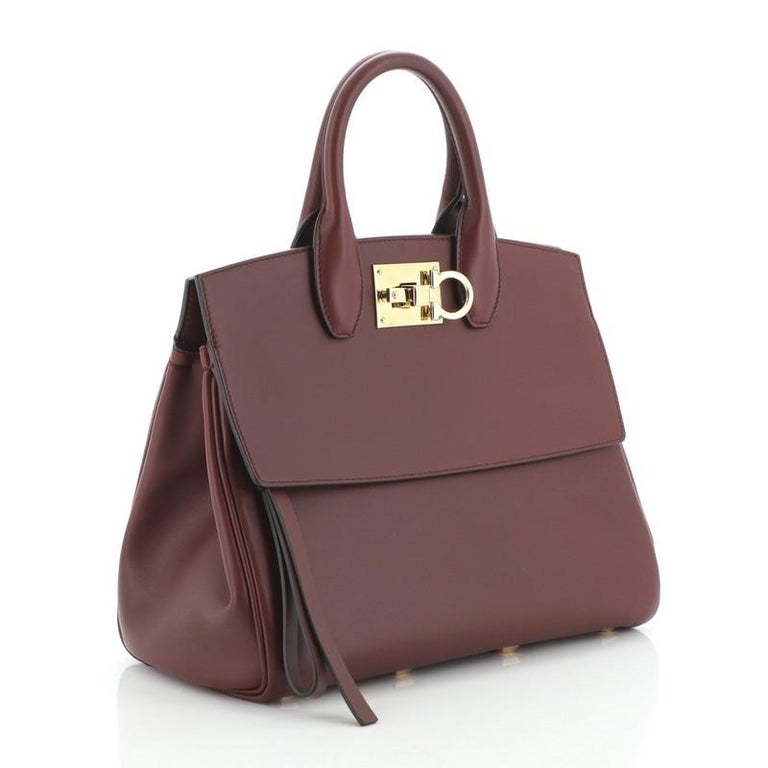
Complete Ferragamo Buyer Guide Shop Now

Selecting the Perfect Ferragamo Bag for Your Travels

Frequent trips has a way of laying bare the vulnerabilities in a bag. Not one of these settings — airport floors, overhead bins, taxi seats, cobblestone streets — goes easy on anything. A Ferragamo bag is often chosen precisely because it has to survive all of that without losing its shape or its polish. Picking the correct option for travel isn’t really about choosing a beloved shape and more to do with pairing build, size, and fittings to how someone gets through a trip. Below, we walk through what matters when a Ferragamo bag moves beyond an occasional-use piece into a reliable travel partner.

The current bags continue to carry that engineering mindset — a philosophy Salvatore Ferragamo established its name on well before “travel-friendly” was a marketing term.

Throughout the collection, you’ll find consistent design choices such as sturdier bases, adjustable strapping, and fastenings that lock rather than simply clasp.

Once a bag is three cities into a trip, the cost and letdown avoided trace back to knowing these particulars ahead of a purchase — whether in a Ferragamo shop or through an authorized online retailer.

The Qualities That Make a Bag Travel-Ready

Not every beautiful bag is a good travel bag, and that distinction matters more than most shoppers expect. A travel-ready bag needs a stable base that won’t buckle when set down on uneven surfaces, straps long enough to cross the body through crowded terminals, and an opening wide enough to retrieve a passport without a full unpacking. Weight matters too — a bag that feels fine empty in a boutique can feel very different after eight hours with a laptop, a water bottle, and a paperback inside it.

Since the label has always favored firm-shaped leather over slouchy, floppy shapes, Ferragamo bags tend to perform impressively on this front. A stiffer base and defined corners guarantee the silhouette remains steady even when overpacked beyond its intended capacity, a fate that befalls almost every traveler on a flight back home. A further telling sign lies in shop now the hardware itself: pulls that slide cleanly with no snag and fasteners that snap securely closed are elements worth examining firsthand whenever you get the chance.

Color and material choice influence how practical a bag is for travel every bit as much as aesthetics do. Marks and blemishes surface faster on lighter leathers, something that matters for a bag headed for baggage claim carousels and rental car trunks. If offered in the current Ferragamo range, saffiano-style or textured hides generally camouflage the little imperfections that pile up across a week of heavy use. This is a pragmatic compromise worth considering against the aesthetic pull of a lighter hue.

Matching Bag’s Category to Journey Duration

On brief getaways, you risk either a packed-tight tote or a duffel that wastes room, since a short getaway and an extended trip simply aren’t the same. For short trips, a Ferragamo bag of moderate size featuring both a top handle and a crossbody strap covers most needs: documents, a phone, a light layer, and a day’s essentials. On extended trips, a larger tote or structured shoulder bag earns its keep by functioning as a personal item that fits beneath the plane seat.

Corporate travelers have their own set of requirements, and it’s here that the rundown of Ferragamo bags narrows its focus. A bag that can hold a tablet or slim laptop without gaping open, combined with an inside pocket sized for a passport and boarding pass, smooths out every checkpoint. Several structured totes and satchels in the current collection are built with this kind of internal organization in mind, which is worth raising when browsing a Ferragamo shop.

Vacationers often prioritize differently. Wandering a new city for a day requires a shoulder bag or crossbody style that keeps hands free, with a strap adjustable to length based on the day’s look. Multi-format designs — pieces that transition across handheld, shoulder, and crossbody modes — are especially valuable for this because they adapt across a single day without requiring a second bag.

Toughness paired with Daily-Use Materials

How good the leather is is the foundation of the lifespan of any travel bag, and in this respect Salvatore Ferragamo bags reliably justify their cost. Top-grain and full-grain leather types withstand cracking and stretching far better than bonded or coated alternatives, which becomes crucial when a bag is wedged into an overhead bin or crammed alongside other bags. Over years of repeated travel, this difference becomes the line separating a bag that ages into a rich patina from one that just breaks down.

How dense the stitching is is a smaller detail but a telling one. Even, tightly-set stitching where strain occurs — handle joins, strap rings, and zipper seams — suggests the bag is meant for constant handling, not just occasional outings. Checking these seams by turning the bag over is worthwhile before you buy, whether in person or by requesting close-up photos from a retailer.

The finish on the hardware also affects durability in ways not always apparent right away. Hardware with plating can erode with the friction of everyday use, revealing a less lustrous metal beneath after one or two years of steady use. Solid or heavily plated hardware, typical of a good number of Salvatore ferragamo bags, keeps its finish intact for longer under the ongoing friction typical of travel — trays at security, luggage carts, and taxi doors.

Weighing Popular Ferragamo Designs for Trips

Ferragamo’s top travel-ready bags are typically decided upon by lining up a given style’s strengths with the type of journey at hand. The chart that follows compares four common bag types by the qualities that are most important on the road, omitting specific prices or measurements that vary by season and retailer.

Bag Type Best Suited To Carry Method Standout Feature
Structured Tote Bag Corporate trips, laptop-heavy days Handheld or shoulder Broad opening with a firm base
Cross-Body Bag City sightseeing, day trips Across the body, hands unoccupied Security, mobility
Convertible Shoulder Style One-day trips involving multiple activities Shoulder or crossbody Adaptability across settings
Weekender/Duffel Style Short overnight or two-day trips By hand or slung over the shoulder Greater capacity with a firm base

This kind of comparison is a worthwhile first step, but the right answer always depends on individual habits. A traveler carrying a tablet and a change of clothes calls for a different amount of space than a person who checks a full suitcase and taking only essentials on board. The right Ferragamo bags for a particular person are the ones genuinely aligned to how that person truly travels, not the ones that merely photograph well in a photo.

Shopping Wisely: Where and How

Verifying authenticity is more important with travel bags than almost any other kind of item, because these are pieces meant to withstand years of hard use rather than stay tucked away unused. Shopping at an official Ferragamo shop or an authorized retailer ensures access to warranty support, reliable upkeep instructions, and assurance that the leather and hardware live up to the house’s genuine quality benchmarks. Pre-owned and resale channels can deliver good deals, but checking for genuineness through serial numbers, stitching patterns, and hardware stamps becomes essential before committing to any Salvatore bag as a long-term travel companion.

New seasonal collections also affect availability, and travel-friendly styles can sell out faster than dressier counterparts simply because demand spikes ahead of major travel periods. Keeping an eye on inventory in early spring and again in early autumn — the two peak booking windows for most travelers — generally allows the fullest range of choice. Waiting until the week before a trip often means accepting whatever color remains rather than the one originally wanted.

Cost also shifts by leather type, hardware finish, and limited edition status, so it’s a good idea to compare multiple listings within a Ferragamo shop or across authorized retailers before finalizing a purchase. A bag described simply as “ferregamo” in a third-party listing, misspelled or otherwise, is a signal to pause and double-check the seller’s credibility before entering payment details. Careful buying protects both the investment and the travel experience the bag is meant to support.

Last Considerations on Selecting Your Travel Companion

Across the board, the best Salvatore Ferragamo travel companions made for travel show a shared set of features: tough leather, beefed-up hardware, and a shape designed to endure actual wear instead of soft showcasing.
Matching bag type to trip length, testing stitching and hardware in person when possible, and sourcing the bag through reputable outlets are the trio of choices with the biggest impact.
Past those essentials, the exact silhouette, surface treatment, and precise cut are purely a matter of personal taste — combined with the way someone prefers to navigate an airport, an urban setting, or a two-week itinerary.
Lead with utility when deciding, and it will secure a lasting spot in your travel lineup for a long stretch of future journeys.

Categories
Uncategorized

YSL Loulou Crossbody For Luxury Lovers

Which The Row Styles Perform Best for Travel

Packing for a trip is one of the surest ways to tell of whether a bag is genuinely well-designed or just good marketing. The Row has built its reputation on restrained, sturdy designs that hold up under real use, and travel is where that construction either holds together or breaks down. What follows explores how the brand’s core shapes function away from home, what to expect in terms of size and toughness, and where the smarter buying opportunities sit if you’re putting together a trip-proof collection without paying full retail on every piece.

Why The Row Works for Frequent Travelers

The brand’s design approach centers on minimal hardware, dense leather, and shapes that don’t lean on trend cycles to stay relevant. It counts for travelers because a bag you’re lugging through airports needs to survive rough handling, unpredictable climates, and constant refilling and emptying without looking tired after six trips. The brand uses heavier-gauge leathers than many contemporaries, which means corners resist creasing and the base keeps its form even when the bag is set down on concrete, tile, or the floor of a train car.

A further practical detail: The Row bags seldom carry loud logos or branding that stands out in transit hubs, which is a real consideration for anyone passing through crowded stations or unfamiliar cities. Most of their bags’ stitching is done in low-contrast thread, so wear appears more slowly than on bags with contrast topstitching. Frequent travelers, those going two or three times monthly, report that the leather mellows and develops a patina rather than showing scuffs as separate damage. That maturing of the leather is part of why resale values on the row handbags have remained notably resilient versus other luxury houses over the past several years.

The Margaux: The Workhorse Tote

If there’s one bag that gets recommended constantly for ysl travel, it’s the Margaux. This tote comes in multiple sizes, and the larger versions are spacious enough to function as a personal item or laptop bag on flights, while still being structured enough not to sag when half-empty. The open-top design is a trade-off — no zip closure means you’ll want to keep valuables in an interior pouch — but that compromise gets you speed at security checks and easy access when you’re moving fast between gates.

Where to buy the row margaux bag is a query Customers regularly raise, since it isn’t sold through the same wide retail net more commercially widespread luxury labels depend on. The Row sells it through its own stores and online shop, and through a small number of approved multi-brand retailers such as Net-a-Porter, Mytheresa, and handpicked department stores like Bergdorf Goodman. Purchasing via one of these routes is important for verifying authenticity and for warranty or repair support down the line. Secondhand platforms like The RealReal and Vestiaire Collective also stock the Margaux consistently, often at 20-40% below original retail, which is worth weighing if you want the bag but don’t need it brand new.

Shape-Retaining Totes vs. Soft Shoulder Bags for Travel

Not every trip calls for the same bag, and The Row’s lineup covers the full spectrum from rigid to soft. Structured totes like the Margaux or the Park Tote stay structured under weight and are simpler to fit beneath a plane seat without caving in around your feet. Softer shoulder styles, such as pieces from the Sofia or Bourse lines, shape themselves to you more easily for long walking days in a new city and tend to sit slimmer when layered under a coat.

What matters most is often how you move once you land. If your day’s plan involves plenty of standing, waiting in line, or working through public transit with both hands sometimes full, a crossbody or shoulder bag with a extended strap length gives you more ease getting around. If you’re largely hauling a laptop, documents, and a day’s worth of essentials between hotel and meetings, a structured tote comes across as more put-together and holds papers flat. Weight matters too — some of the row bags in denser leather can feel substantial once loaded, so it’s worth handling a bag in person before committing to it as a daily travel companion.

Sizing Up Standout Row Bags for Trips

The table below outlines four commonly talked-about styles from the row bags overview shoppers tend to check out before a big trip. Notes on capacity and ideal use are based on general product descriptions and consistent customer feedback rather than exact measurements, since dimensions may differ a little by production run.

Bag Style Best For Fastening Type Travel Strength
The Margaux Tote Carry-on personal item, laptop transport Open-top design High capacity, structured base
Sofia handbag Urban walking, comfortable crossbody wear Zip or clasp closure Light in weight, softer silhouette
Park Tote Business travel, document carrying Zip top Locked-down closure, firm structure
Bourse handbag Day-to-evening switch, small essentials Frame clasp Small-scale, not ideal for heavy packing

None of the four amount to dedicated travel pieces — this is what stands out across all four — in the way a dedicated luggage brand might shape one; there’s no mention of padded laptop compartments or RFID lining in any official product descriptions. What you’re paying for instead is premium hide craftsmanship, its standing on the resale market, and a design built to glide from airport to dinner table without requiring a change of bag.

Savvy Buying: Timing the Row Sale along with Secondhand Alternatives

Full retail on the row handbags sits at a premium tier, so timing matters if budget is a factor. The Row runs sales less aggressively than most luxury brands — there’s no constant promotional cycle — but markdowns do appear during end-of-season periods, typically in late December and again in June or July, through both the brand’s own site and stockists like Net-a-Porter and Matches (where available). A row sale event, when it happens, tends to focus on past-season colorways rather than the current bestsellers, so if you want a specific tote in a specific shade, buying at full price during the season it launches is often the only reliable path.

Those who want the look and functionality while avoiding the full cost will find that resale marketplaces continue as the steadiest source of discounted stock. Conditions vary, so inspect stitching, hardware tarnish, and interior lining wear thoroughly in photos or in person before buying. Bags bought this way still hold their value reasonably well if kept in good condition, which makes the math easier to justify for a bag that’s going to see regular use rather than sit in a closet.

Closing Thoughts on Deciding On a Bag for Travel

No one bag is the definitive answer among the row bags for travel — it depends on how you move, what you’re bringing along, and how much structure you want working in your favor when the bag gets packed. The Margaux remains the most recommended option for anyone who needs one dependable, high-capacity bag that handles both a flight and a client meeting. For those who favor comfort and flexibility over fixed organization, less structured designs are the better fit. Whichever you choose, the through-line across the row fashion catalog is durability that rewards frequent use rather than punishing it, which is precisely what a travel bag needs to do well.

Categories
Uncategorized

Marc Jacobs Purse Outfit Ideas Ratings and Review

Provenance decides more than stitching does

The most reliable test of a Marc Jacobs bag is not a stitch count, but the paperwork. The warranty depends on where the bag came from, because the item must have been bought from an authorized Marc Jacobs vendor and proof of purchase is mandatory. A genuine bag bought from an unauthorized seller therefore lands in the same place as a fake Marc Jacobs bag: no warranty, no repair route. That one condition reorders the whole checklist, since the seller is the first thing to establish and the last thing to compromise on. The real vs fake Marc Jacobs comparisons online dwell on stitching and logos, and those are www.jacobsbag.net the parts that a good copy gets closest to.

Check What the genuine bag shows Warning sign
Style numbers Matches what the brand’s page shows for that style No tag photo at all, or a number that returns nothing
The material spec The material, lining and pockets as published Any material the brand does not use for that bag
Hardware Consistent engraving; branding debossed into leather Thin fittings, finishes that do not match, printed logos
Lining A named lining such as faille or cotton twill Loose, puckered, or a slick thin synthetic
Strap Thick webbing, with the correct length and configuration Flimsy webbing, or else a crossbody strap on a Large tote
Pricing Close to the published price, or an official markdown Far below it, offered by a seller you cannot verify
Sellers Authorized vendor supplying proof of purchase A seller you cannot confirm, or one offering an authenticity card

1. Match the style number on the interior tag to the product page

Marc Jacobs authentic bags carry a style number on the interior tag, and that number is the quickest thing to check. The Canvas Medium Tote Bag is M0016161, and The Snapshot listed at about $325 on marcjacobs.com in the US as of September 2026 is 2S3HCR500H03. Ask the seller to photograph the tag before you pay, then compare it with the material, dimensions and pockets the brand’s page returns. A number that returns nothing, or returns a different bag, ends the conversation there. A tag that is blurred in every photograph amounts to the same answer in slower form. Two related points: the brand does not issue authenticity cards at all, so a seller offering one has told you something useful, and the singular spelling marc jacob is only a search phrase, never the brand’s own, so a tag spelled that way is wrong.

2. Work through the published material spec line by line

Every product page lists the material and the fittings, and a copy usually misses at least one line. The Snapshot is Saffiano leather with a faille lining, a dual top zipper, one interior and one exterior slip pocket, and a removable webbing strap, at about 7 by 2 by 4 inches. The Canvas Medium Tote Bag comes in cotton canvas carrying a top zip, one interior zip pocket, two slip pockets and a removable webbing strap. Full-grain leather goes on the leather Tote Bags, with the branding debossed rather than printed. Measure the listing against those lines, not against your memory of a bag you once saw. If a seller names a material that the brand does not use for that style, the listing is wrong no matter what else looks right.

3. Judge the hardware and zippers by finish, not by brand names

The Snapshot’s signature double-J hardware and dual top zipper are the parts that get approximated badly most often. Engraving should read consistently across every metal part, and leather totes should show branding pressed in rather than sitting on top. The zipper brand is what you cannot use, because the published sources disagree: a camera-gear publication names YKK while authentication blogs name riri, and no one has reconciled them. A bag is neither proved nor disproved by whatever name sits on a zipper pull. The better test is weight and finish, so fittings that are thin, light or roughly finished deserve attention. Finishes that do not match between the pull, the feet and the strap clips say more than any one part on its own.

4. Open it and look at the lining

Linings are named per style, and they are easy to get wrong in a copy. The Snapshot takes a faille lining, while the Belted Sack Bag uses cotton twill. Published guidance on The Snapshot also describes an interior dividing wall that creates two compartments, plus a leather tag embossed with the brand’s initials inside. A lining that comes out loose, puckered or a slick thin synthetic is worth pausing over, above all when the exterior looks convincing. If you are buying secondhand, photograph the interior in daylight and hold it up against the official images for that style number. An interior a seller will not show you gives the clearest possible answer to the question you asked.

5. Check how the strap is built and attached

Central to both flagship styles, the removable webbing strap is a common weak point in copies. On The Snapshot the strap runs about 57 inches with a drop of about 27 inches, and published guidance sets out a thick, stiff strap with a correctly shaped leather notch. Flimsy webbing, a curling strap, or a notch cut to the wrong profile is a warning sign that costs nothing to check. Configuration matters too, because the Small, Medium and Crossbody Tote Bags include a removable crossbody strap, while the Large does not. A large canvas tote advertised with a crossbody strap does not match the brand’s own build at all. Straps are sold separately, so an unusual strap on a genuine body proves nothing on its own.

6. Run a sanity check on the price

Price is not proof; it is simply the cheapest filter you have. The Canvas Medium Tote Bag runs about $198 and The Snapshot about $325 on marcjacobs.com in the US as of September 2026, while prices vary by country and change. One complication arises: on the brand’s own site every price is labeled a sale price, including full-price items, and only a genuine reduction shows a regular price alongside it. Inside the official markdown section in late September 2026, reductions ran from roughly a quarter to about half off, on past-season prints rather than core styles. A current-season Snapshot priced far below that, by a seller you cannot verify, is telling you what it is. Read deep discounts outside that section as a question rather than as a bargain.

7. Verify the seller before anything else

This check comes last in the list and first in practice. The warranty names an authorized Marc Jacobs vendor without publishing, in the same place, a checkable list of who qualifies, so treat a seller you cannot confirm as unconfirmed. That holds for familiar retail names as much as for unknown ones. A real anti-counterfeiting program is run by the brand, which says in its filings that it investigates suspicious online stores and has named large marketplaces as counterfeit channels, so a well-known platform is not an authorized seller. A marketplace listing is one step further away again, because the platform is not the seller. At least one authentication service covers Marc Jacobs publicly and names The Snapshot, while another major service does not cover the brand in any form.

Where to buy a Marc Jacobs bag safely

The safest routes finish with the kind of receipt the brand will accept. Buying from either marcjacobs.com or a Marc Jacobs boutique does exactly that, and the product pages offer a find-in-store option if you would rather handle the bag first. The network listed in September 2026 comes to about 103 locations, roughly 46 boutiques plus 57 outlets, and that split matters more than the total. Outlet merchandise counts as final sale and cannot be returned, exchanged, repaired or replaced, which leaves genuine outlet bags outside the warranty. US online orders may go back within 30 days of shipment with a free label, though there are no exchanges and stores will not take online returns. The ownership changed on 1 September 2026, as WHP Global and G-III Apparel Group completed their acquisition from LVMH; the terms here are those published since.

What is lost with a fake or an unauthorized seller

The losses involved here are concrete rather than moral. A fake has no warranty, no repair path and no return window, and a genuine bag from an unauthorized seller sits in the same position, since the cover is conditional on provenance. The warranty runs one year, and it runs against manufacturing defects, demands proof of purchase, and takes up to six weeks on approved repairs. Even inside it the brand does not clean or refurbish handbags and does not replace piping, so the ceiling is lower than many buyers assume. You also forfeit the price adjustment given on full-price items when the price falls within 30 days, which is capped at one per order and excludes sale items. None of that is recoverable afterwards, which is why the seller check is worth more than any stitch you could photograph.